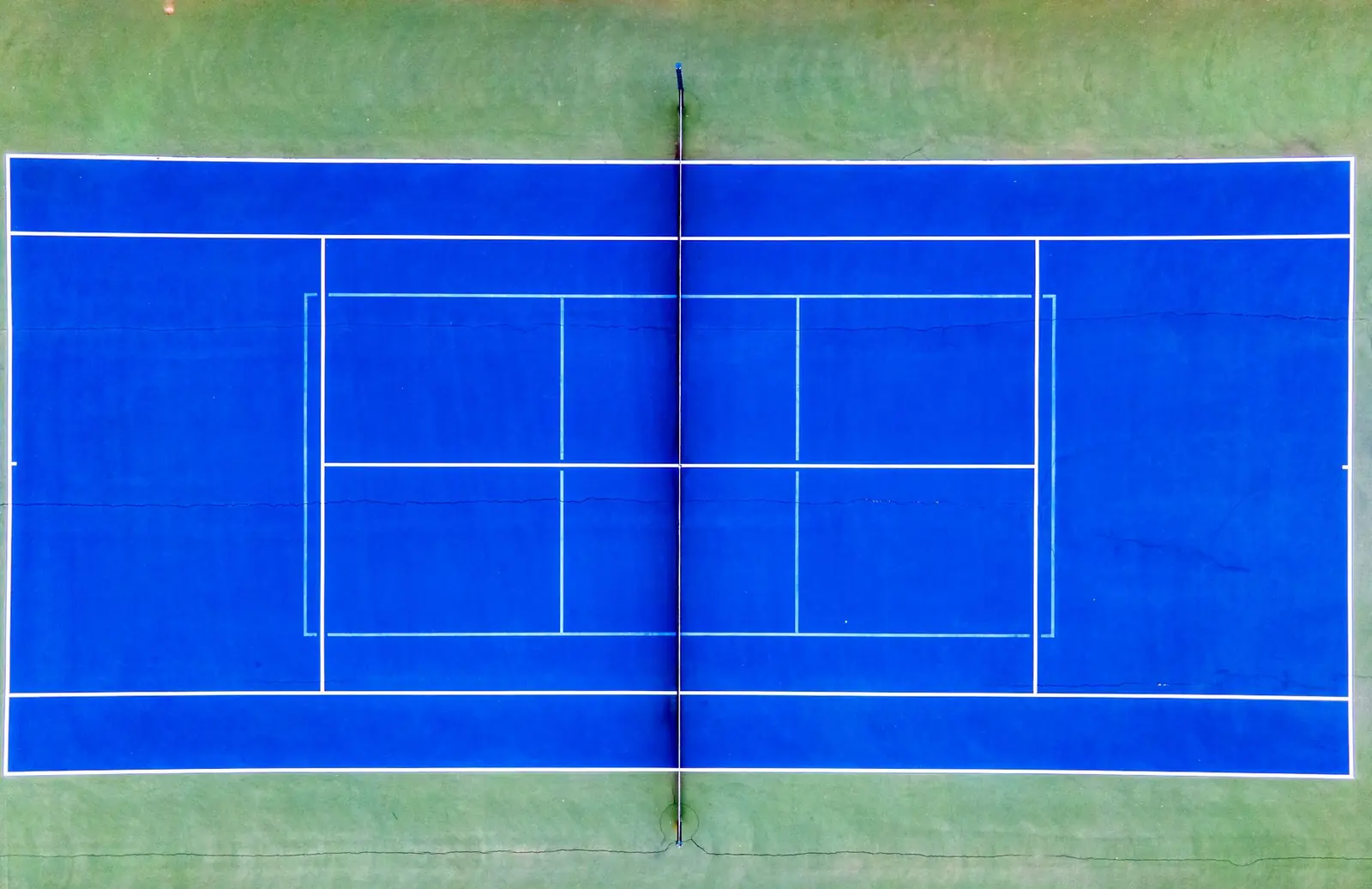
Built for a true bounce and sure footing
Pickleball Court Construction in Salt Lake City, UT
Backyard pickleball and sport courts on flat, draining slabs, with room to chase the ball. Get a free estimate.
Salt Lake City, Holladay, Sandy, Draper, Herriman, Lehi, Highland, Alpine and 28 more
Tell us about your yard and game
Share the yard's rough size, which way it slopes and the games you want to play. A call back follows to plan a free visit to the yard.
- Free court estimates
- North-south layouts
- Flat, draining slabs
- Sloped yards welcome
Rough yard size and slope are all we need.
Courts, prep and patios
Courts, and everything that keeps them playing well
Three kinds of court slabs, plus the digging, walls and patios that make a sloped or awkward yard work.
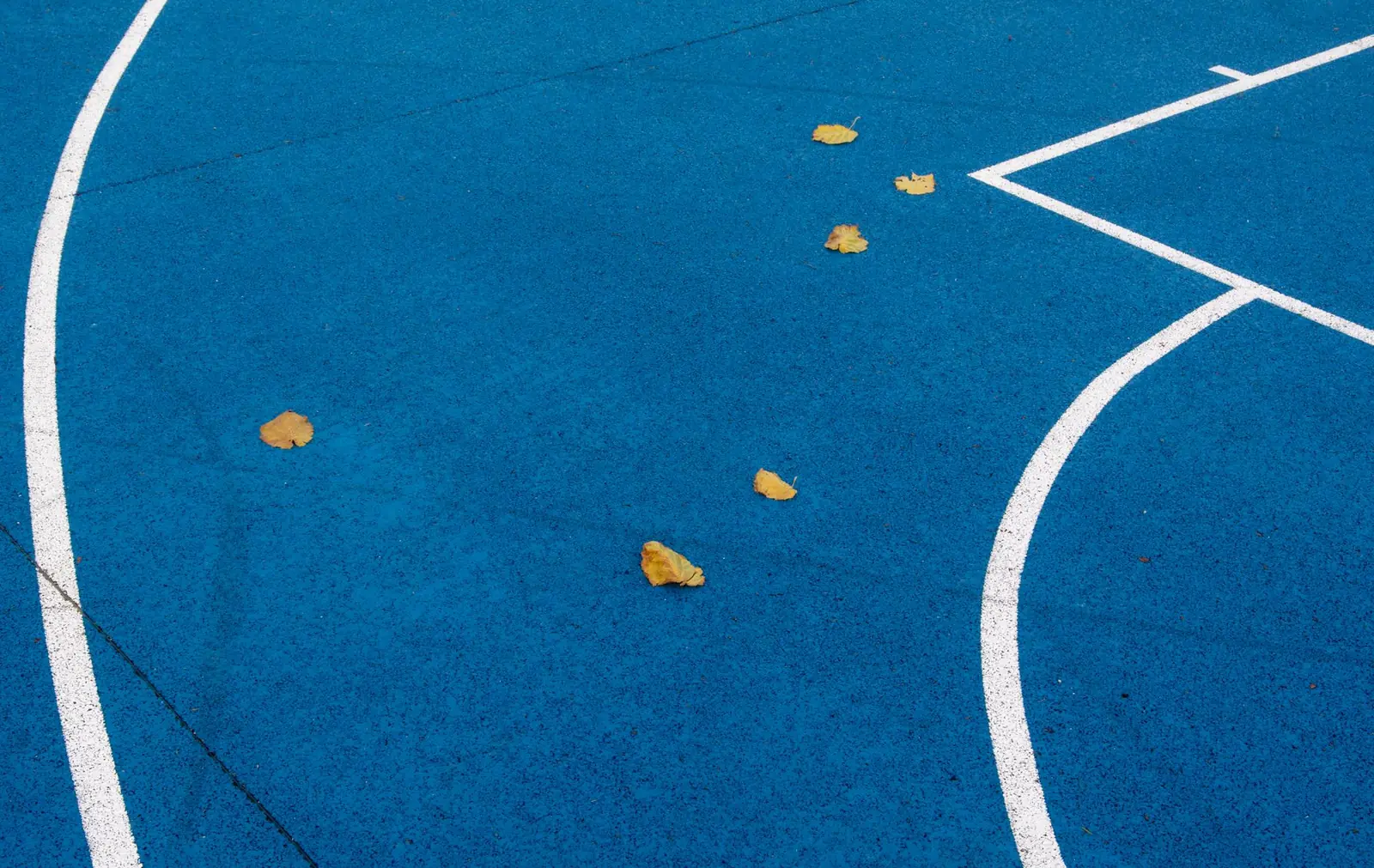
Backyard Pickleball Courts
Full backyard pickleball courts on a flat, gently sloped slab, with joints kept out of play and room behind the lines.
More on backyard pickleball courts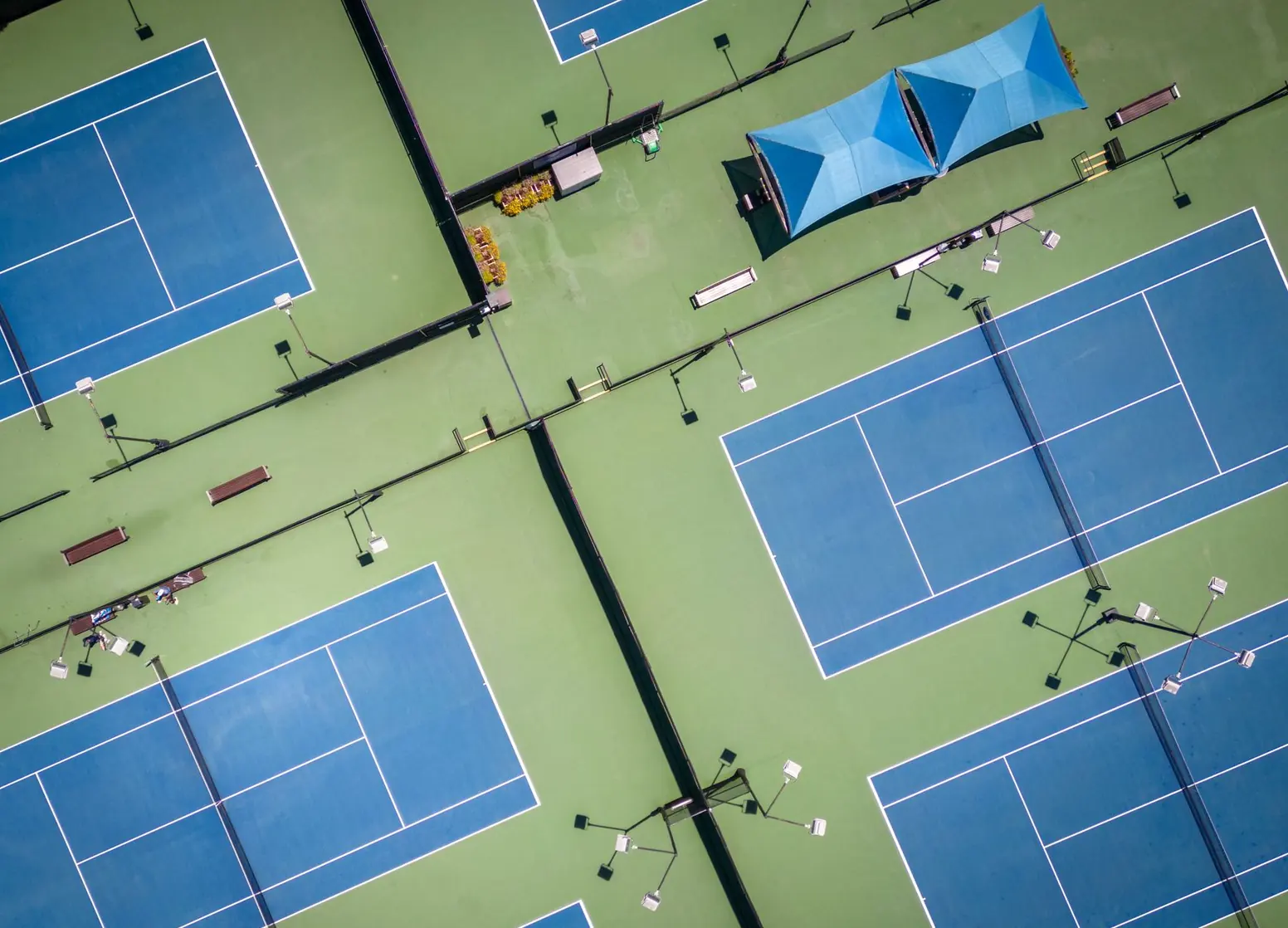
Multi-Sport Courts
Multi-sport slabs that carry pickleball lines, a basketball key and room for kids' games on one well-drained pad.
More on multi-sport courts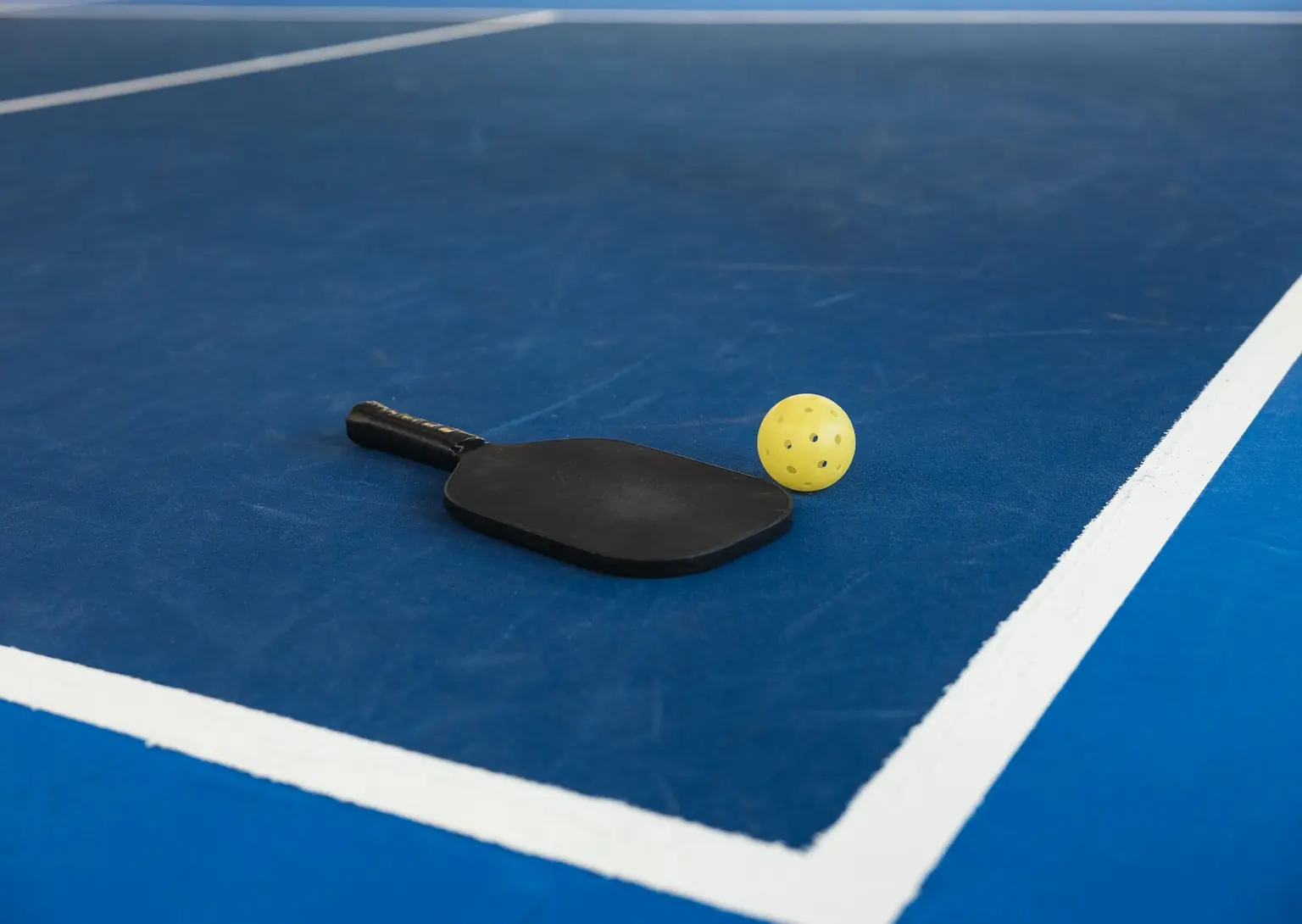
Basketball Court Slabs
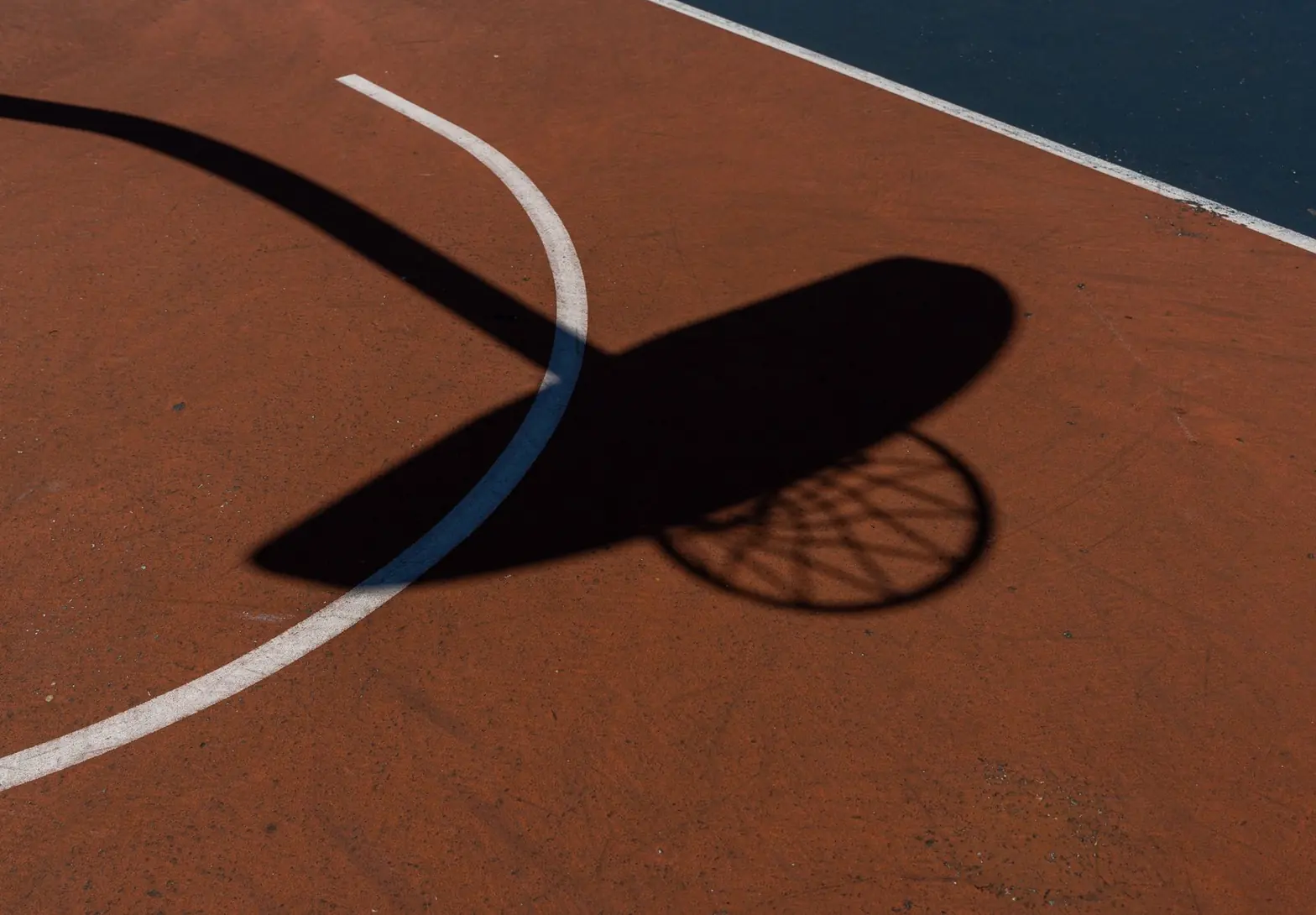
Half-court and shooting-pad slabs with a consistent bounce, good drainage and a deep footing for an in-ground hoop.
More on basketball court slabs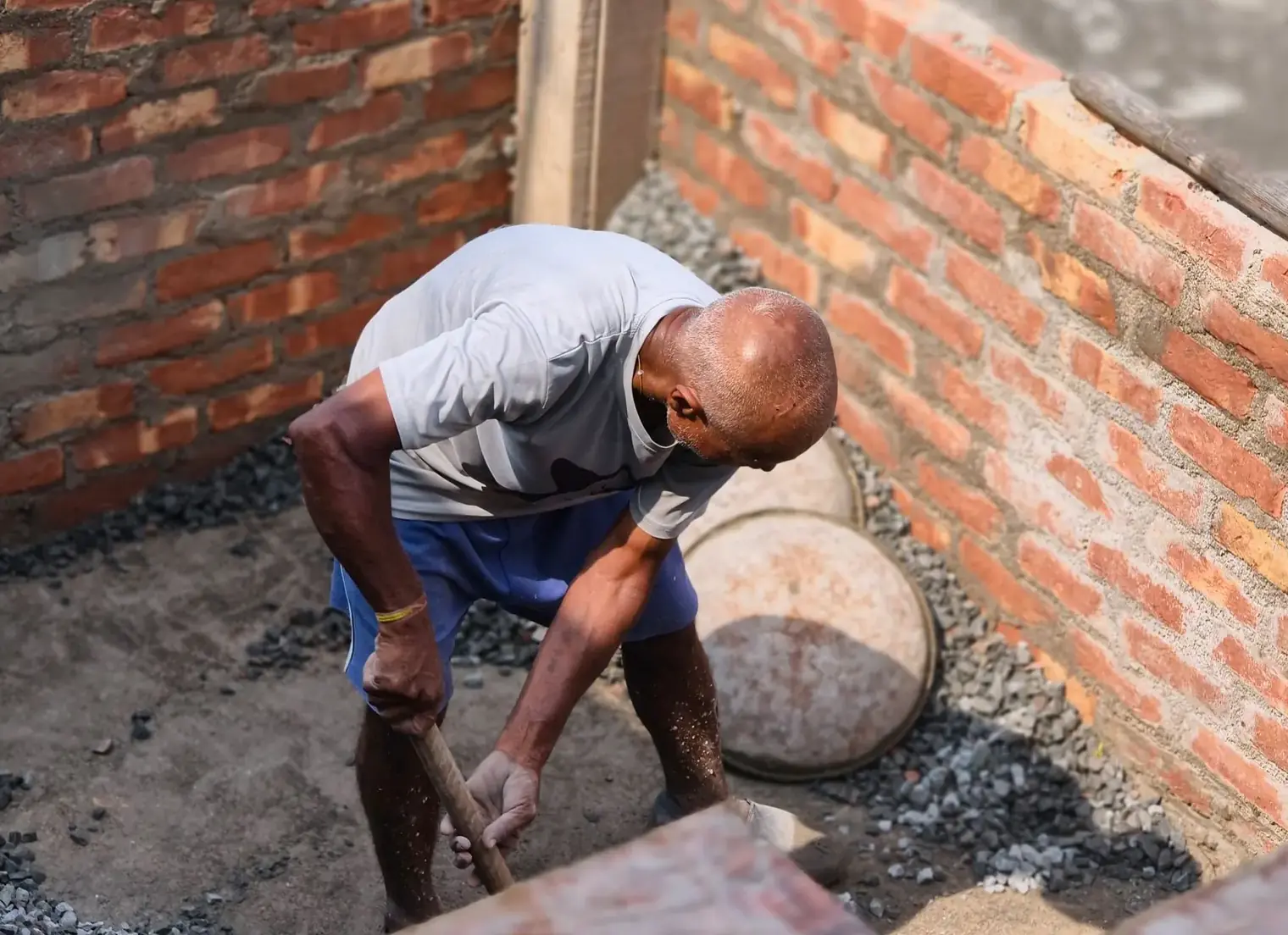
Court Excavation & Site Prep
Excavation, cut and fill, drainage and a compacted gravel base, so the court starts flat and stays that way.
More on court excavation & site prep
Retaining Walls for Flat Courts
Block and poured concrete walls, drained and built on solid footing, that hold a sloped yard flat for a court.
More on retaining walls for flat courts
Patios & Walkways Around Courts
Patios for waiting players and spectators, plus walkways that bring everyone to the court with clean shoes.
More on patios & walkways around courts
Every good rally starts below the paint
Players judge a court through their feet and the ball. A dead spot where the bounce dies, a low corner that holds water after a sprinkler cycle, a joint line that kicks a dink sideways, a surface that feels gritty or slick when you plant to change direction: all of those come from the concrete, not the colored coating on top. The acrylic surface can only follow the slab under it. So a backyard pickleball court is really a flatness and drainage project that happens to have lines painted on it.
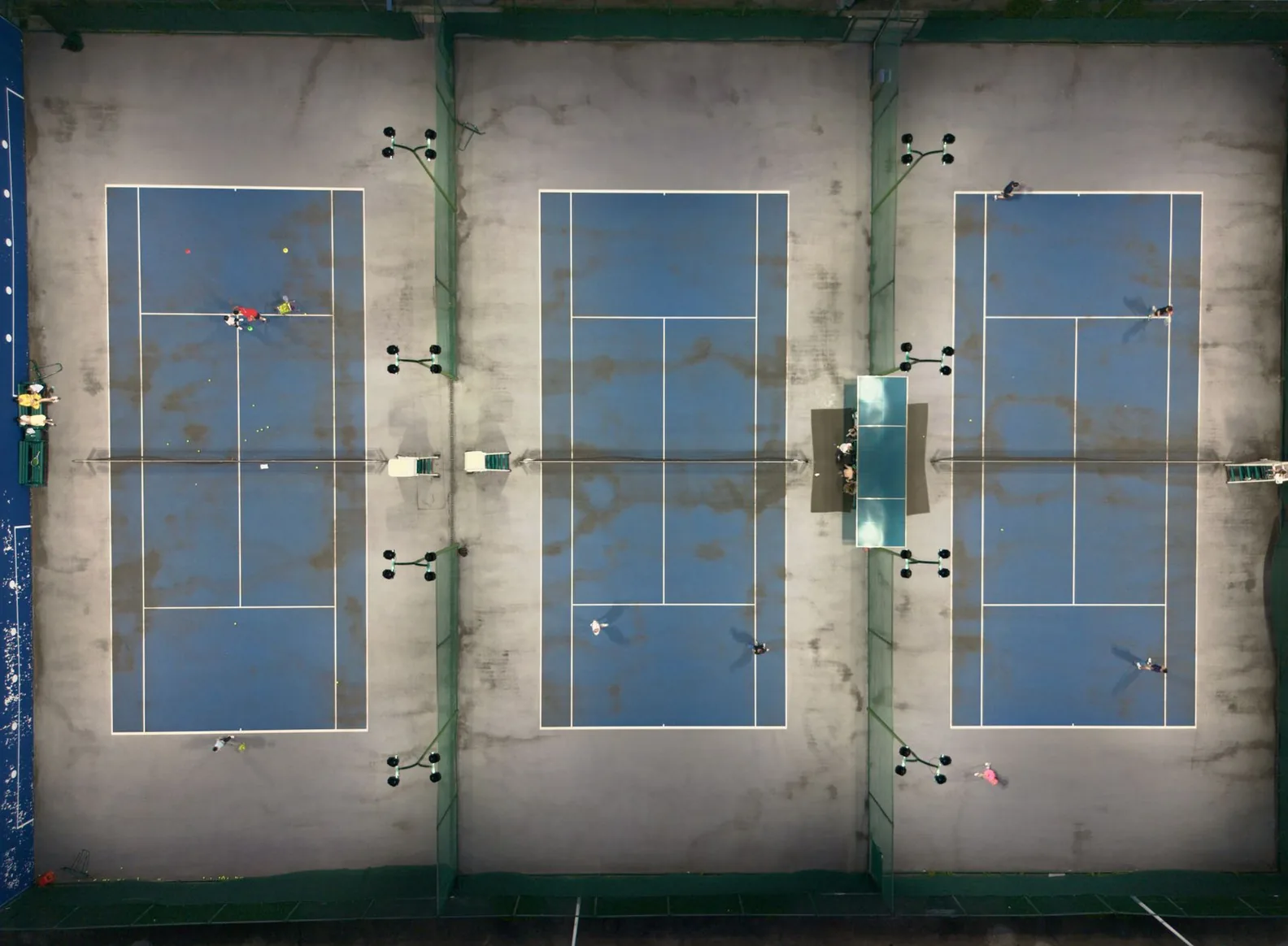
The numbers are refreshingly simple. A pickleball court is 20 by 44 feet, but you need room to move around it, so a pad about 30 by 60 feet is common for backyard play, and a little less still works for casual games. The slab carries a gentle, single-direction slope of about one percent so rain and snowmelt sheet off without anyone feeling a tilt. It runs roughly north to south, so neither side stares into a low sun on a summer evening. Joints are kept to a minimum, or out of the playing lines entirely.
Salt Lake Pickleball Court builds backyard pickleball courts first, along with multi-sport pads and basketball slabs that follow the same rules. Plenty of yards in the valley aren't flat, so the work often starts with excavation, a compacted base and retaining walls that turn a slope into a level court. Then come the extras that make a court pleasant to use: a patio along the sideline for whoever is sitting out, and a walkway from the house so shoes arrive clean. The acrylic surface and lines go on after the slab has cured for several weeks.
Good to know
Four things players feel before they see
Leave room behind the baseline
Lobs and hard drives pull players well past the baseline, so a court squeezed into its bare 20 by 44 feet feels cramped fast. Aim for several feet behind each baseline and a few along each side if the yard allows, and you will play more freely.
Point it north and south
An east-west court puts one side looking into the sunrise and the other into the sunset. Running the long axis roughly north to south keeps low sun out of everyone's eyes, which matters most on long summer evenings.
Slope one way, gently
About one percent of fall, roughly an eighth of an inch per foot, moves water off without anyone noticing a tilt. One clean plane drains better than a crown, and it avoids the shallow puddles court builders call birdbaths.
Keep joints out of play
Saw-cut joints can show through the acrylic surface as lines and eventually crack it. Post-tensioned or heavily reinforced slabs let a court go with few or no joints, and any that remain belong outside the playing lines.
How it works
From sloped lawn to first serve
- 1
Walk the yard
We look at the space, the slope, equipment access and how you like to play, then sketch the court with its runout room.
- 2
Orient and stake
The court is laid out roughly north to south where the yard allows, and buried utilities are flagged through 811 before any digging.
- 3
Dig, wall and base
The pad is cut and filled, retaining walls go in where needed, and the gravel base is compacted in layers.
- 4
Pour, cure, surface
The slab is poured flat with its gentle slope, cures for several weeks, then gets its acrylic surface and lines.
Examples
Court slabs, prep work and finished courts
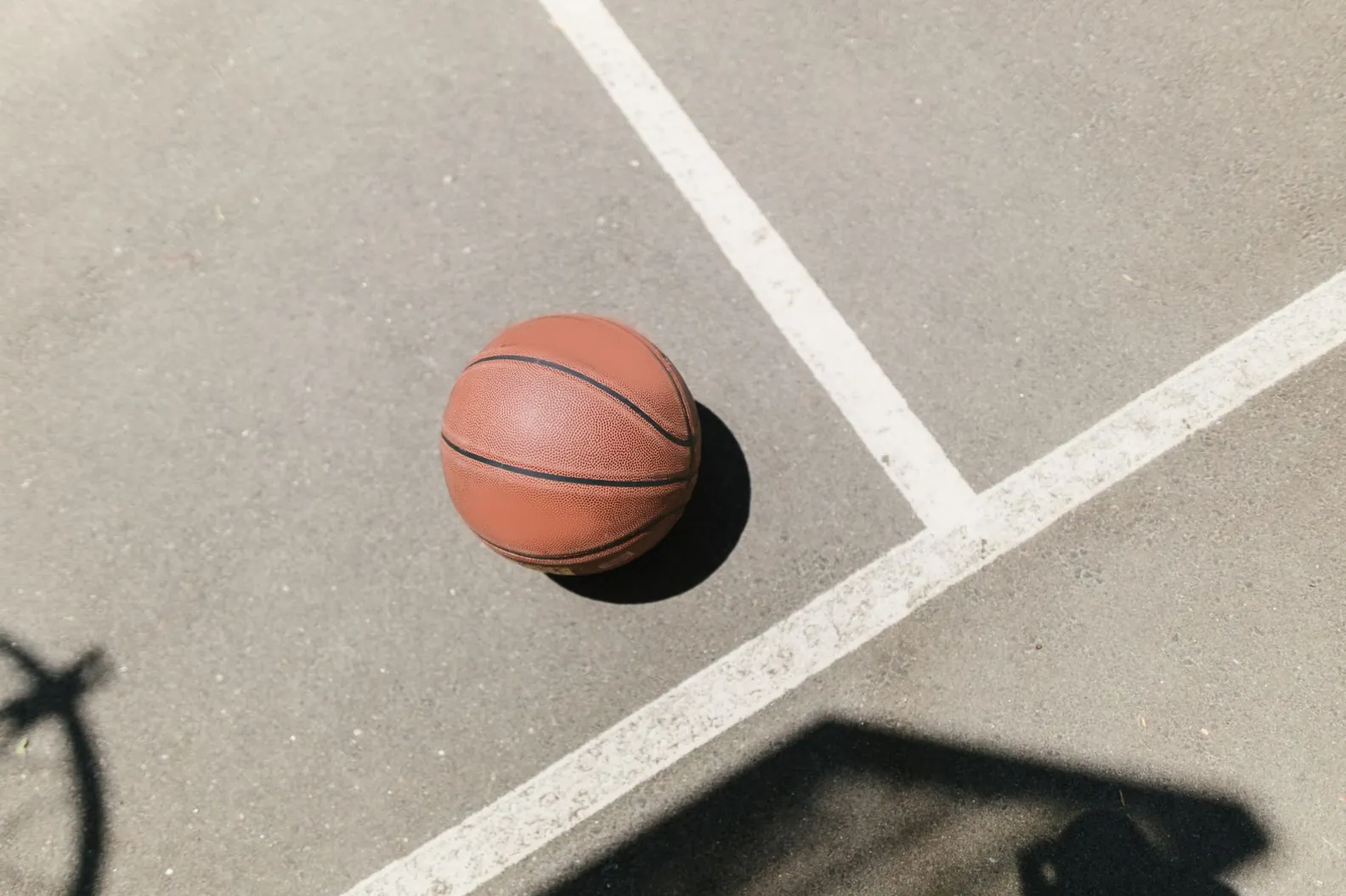
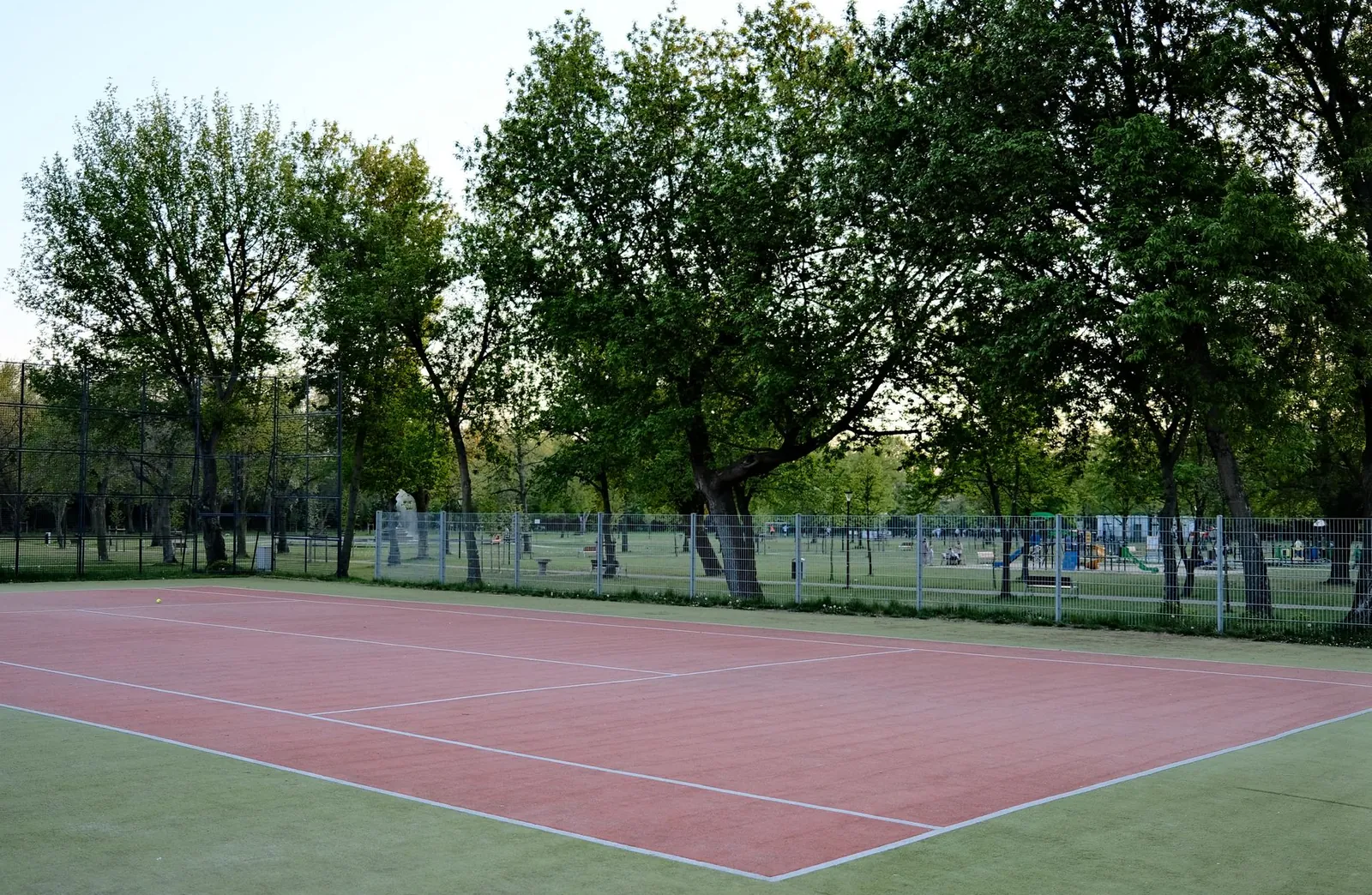
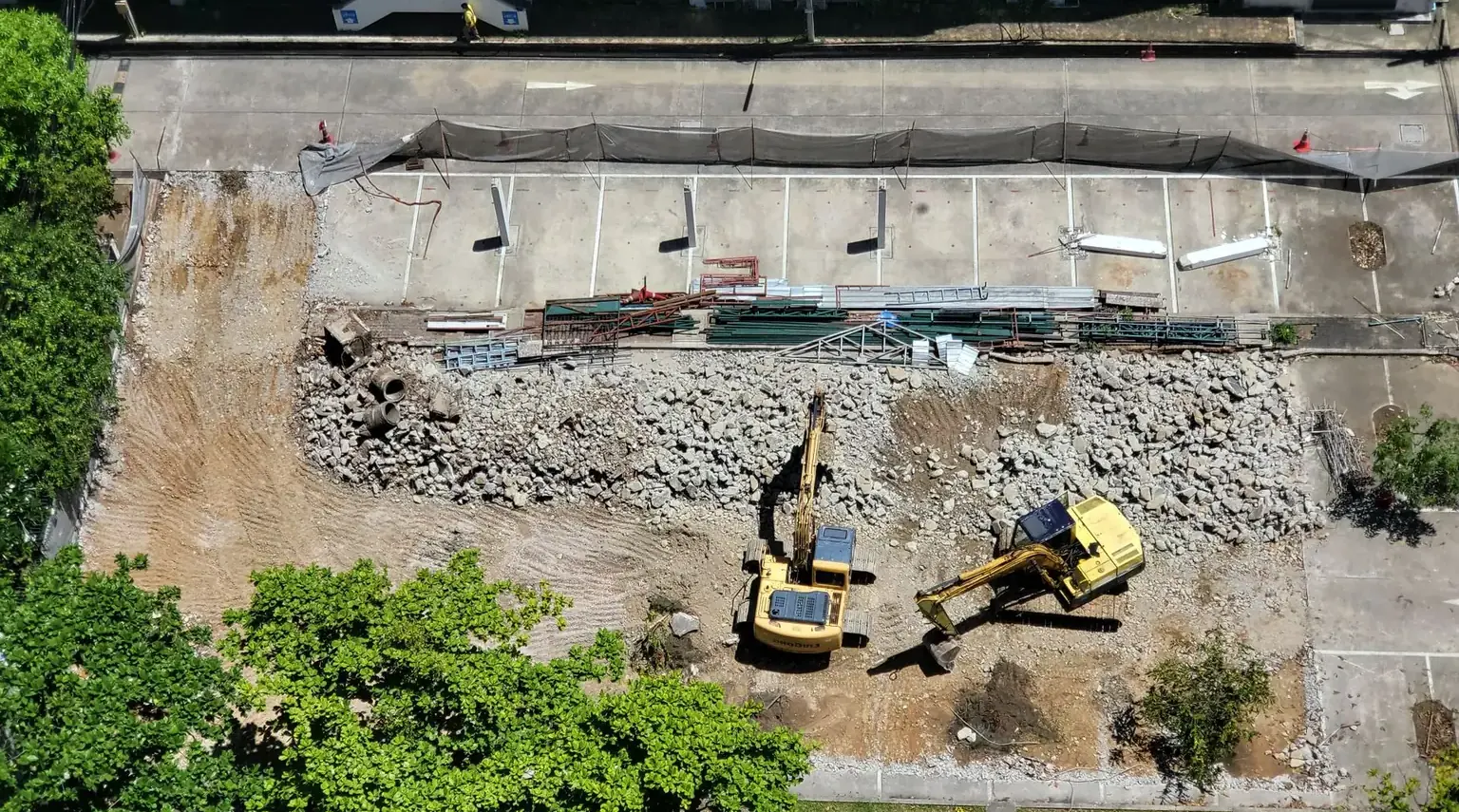
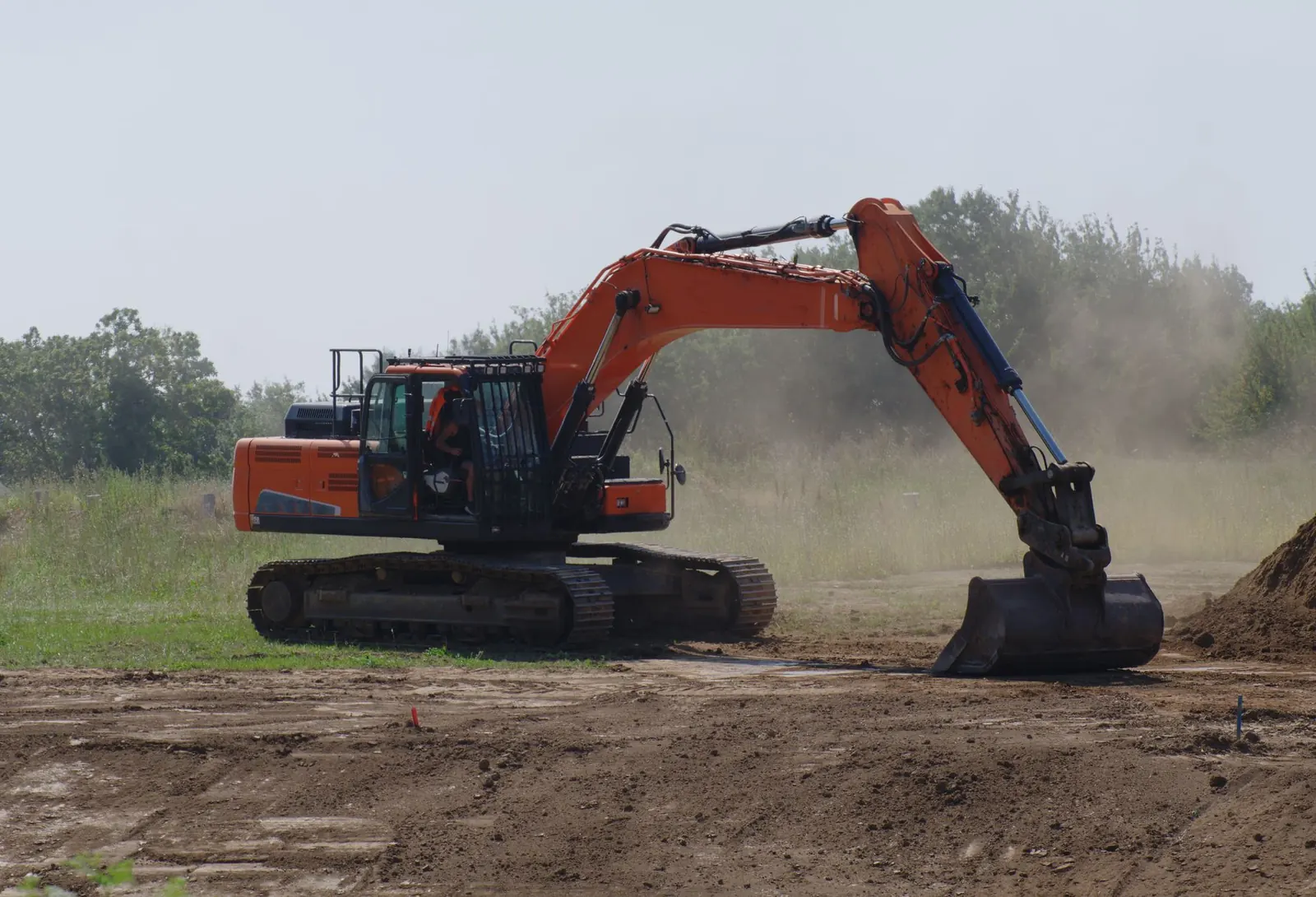
Stock photos: examples of the work type.
Questions
Court questions from players and homeowners
Will a concrete court survive Utah winters?
Yes, when it's built for them. Freeze-thaw and the clay under much of the valley move slabs that sit on a weak, wet base, so a court needs a compacted gravel base, air-entrained concrete and water directed away from its edges. Skip de-icing salt on the court entirely and let the sun handle the snow.
Do I need a permit or HOA sign-off for a backyard court?
Rules vary by city. Some want a permit for a large slab, retaining walls over about 4 feet or walls holding up a slope usually need one, and many HOAs want to see court plans and colors first. Before any digging, 811 is called so buried lines get flagged.
What does a backyard pickleball court cost?
Your yard sets most of it. A flat, open lawn with easy access needs far less excavation than a sloped lot that has to be cut, filled and held with retaining walls. Court size, runout room, slab design and add-ons like a patio or walkway matter too, and the estimate is free after a walk around the yard.
Which towns do you build courts in?
Salt Lake City plus Millcreek, Holladay, Cottonwood Heights, Sandy, Draper, South Jordan, Riverton, Herriman and Bluffdale on the Salt Lake County side. In Utah County that means Lehi, Highland, Alpine, American Fork and Orem, and in the Tooele Valley, Stansbury Park and Erda.
How long until we can play?
Plan on several weeks from first dig to first serve. Excavation, walls and the pour usually fill anywhere from a few days to two weeks, yard depending, and then the slab cures, often around four weeks, before the acrylic surface goes on. Most courts are poured between spring and fall.
How big should a backyard pickleball court be?
The court itself is 20 by 44 feet. For comfortable doubles, about 30 by 60 feet of slab gives room behind the baselines and along the sides. If the yard is tight, a smaller pad still plays well for casual games, and we will help find the best fit.
Can one slab handle pickleball and basketball?
Yes, that's what a multi-sport court is. The pickleball lines go down in one color and a basketball key in another, and a hoop footing is set at one end. Size the slab around the bigger game you plan to play.
Service area
Backyard courts across the Wasatch Front
Courts go in across Salt Lake City and 35 towns near it, from Holladay and Cottonwood Heights to Herriman, Highland, Alpine and the Tooele Valley.
Salt Lake County
Tooele County
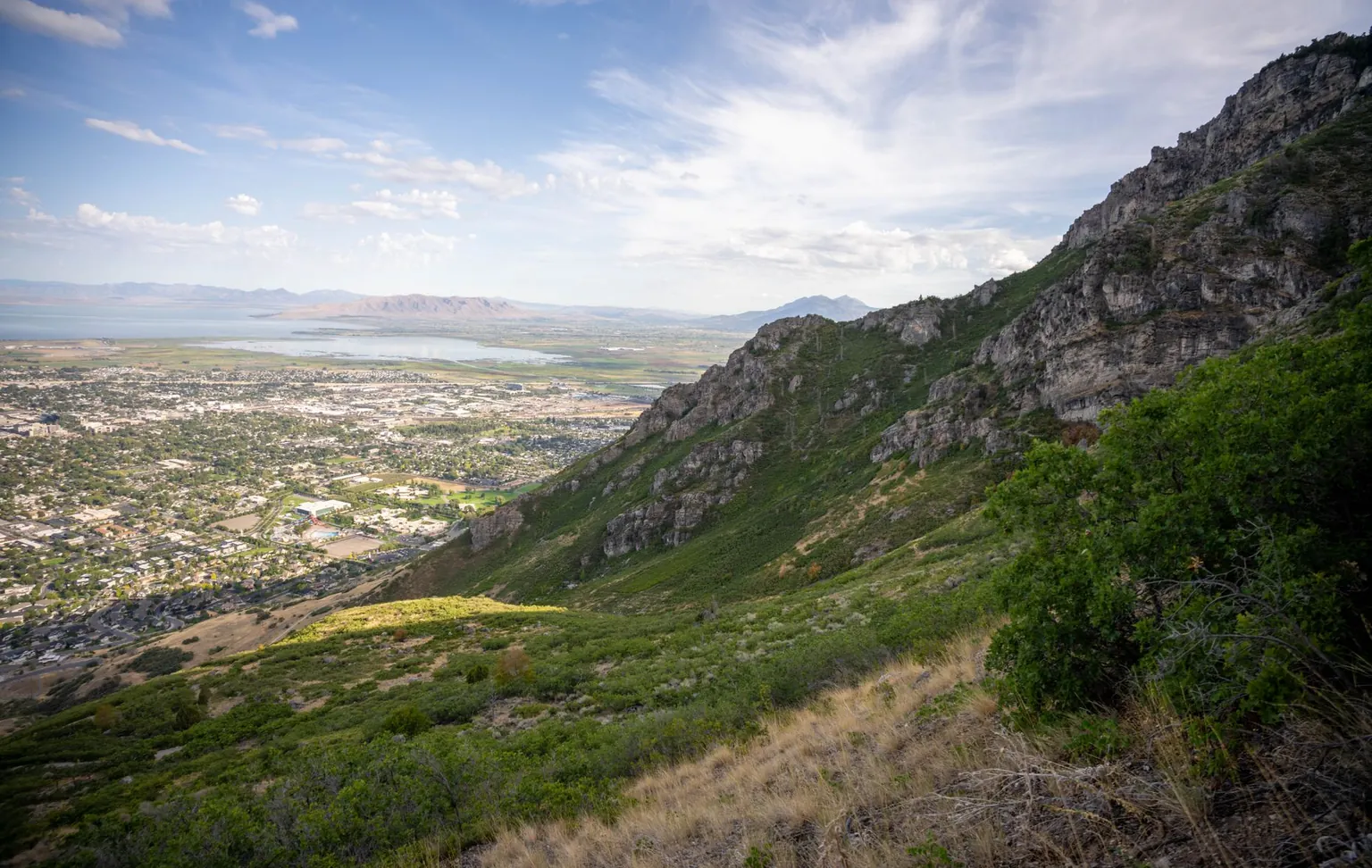
Let's find the flat spot in your yard
Send a quick note about the yard and the court you're picturing, and a free estimate visit follows.